18355 General Puller Highway
P.O. Box 388
Deltaville, VA 23043

Phone: (804) 776-9898
Fax: 804-776-6998


The Sailor’s Choice

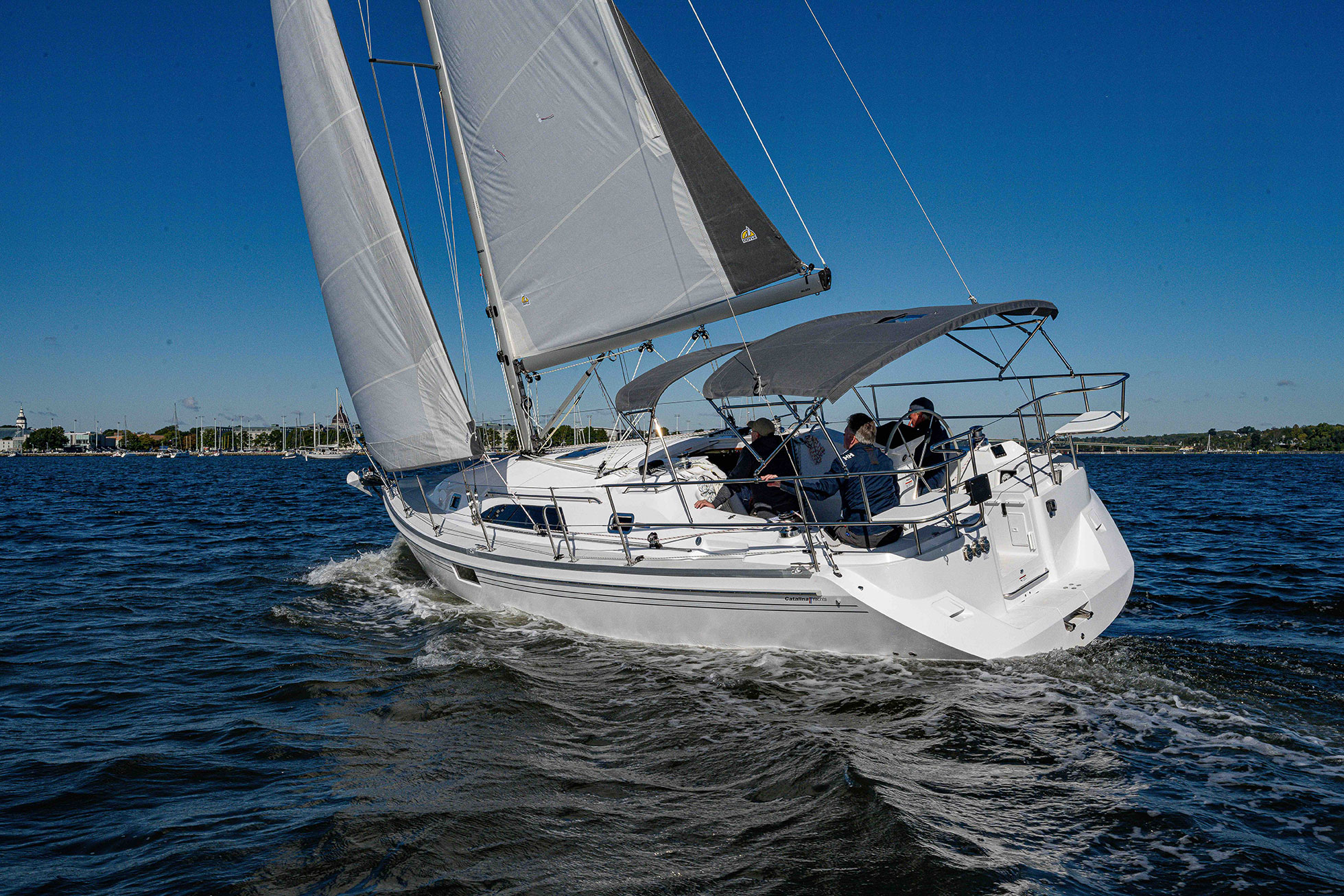
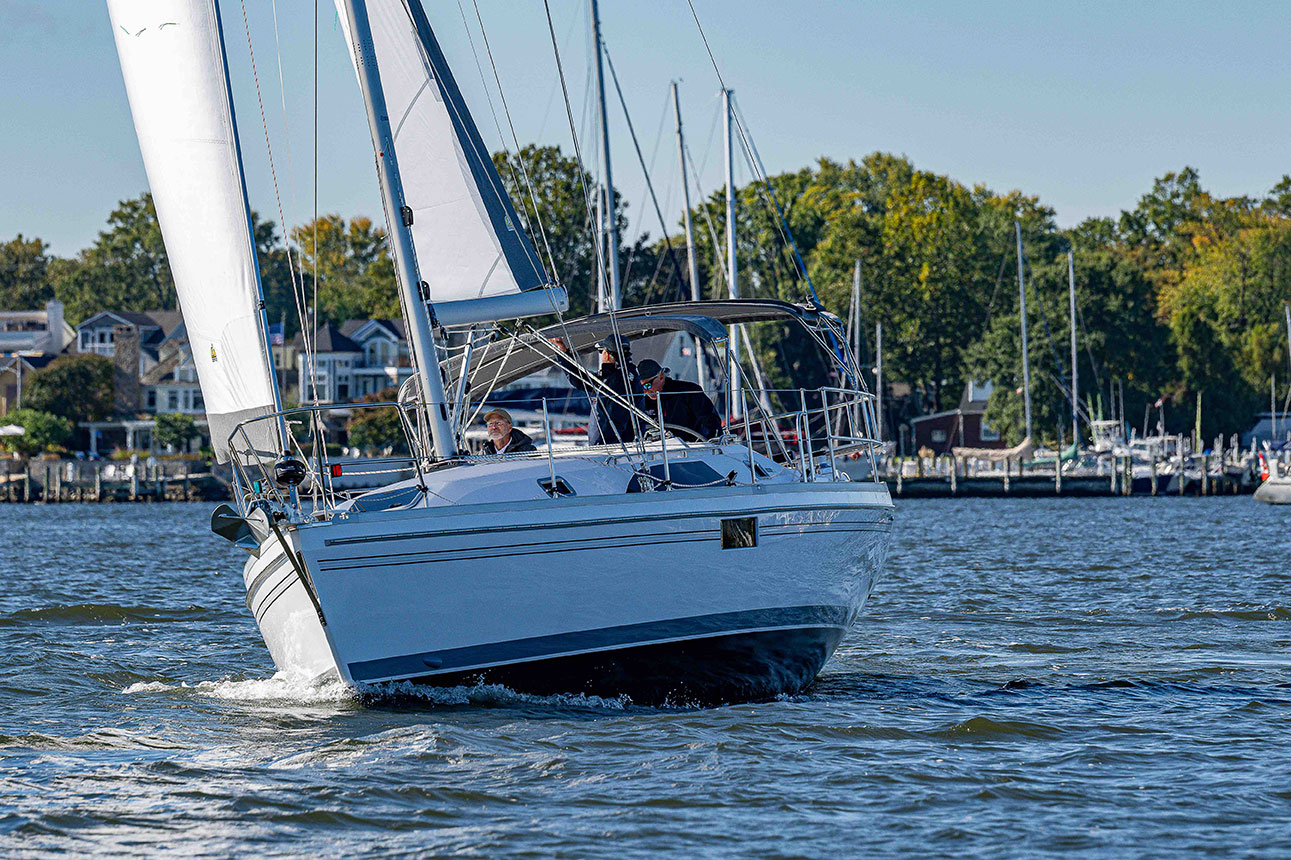
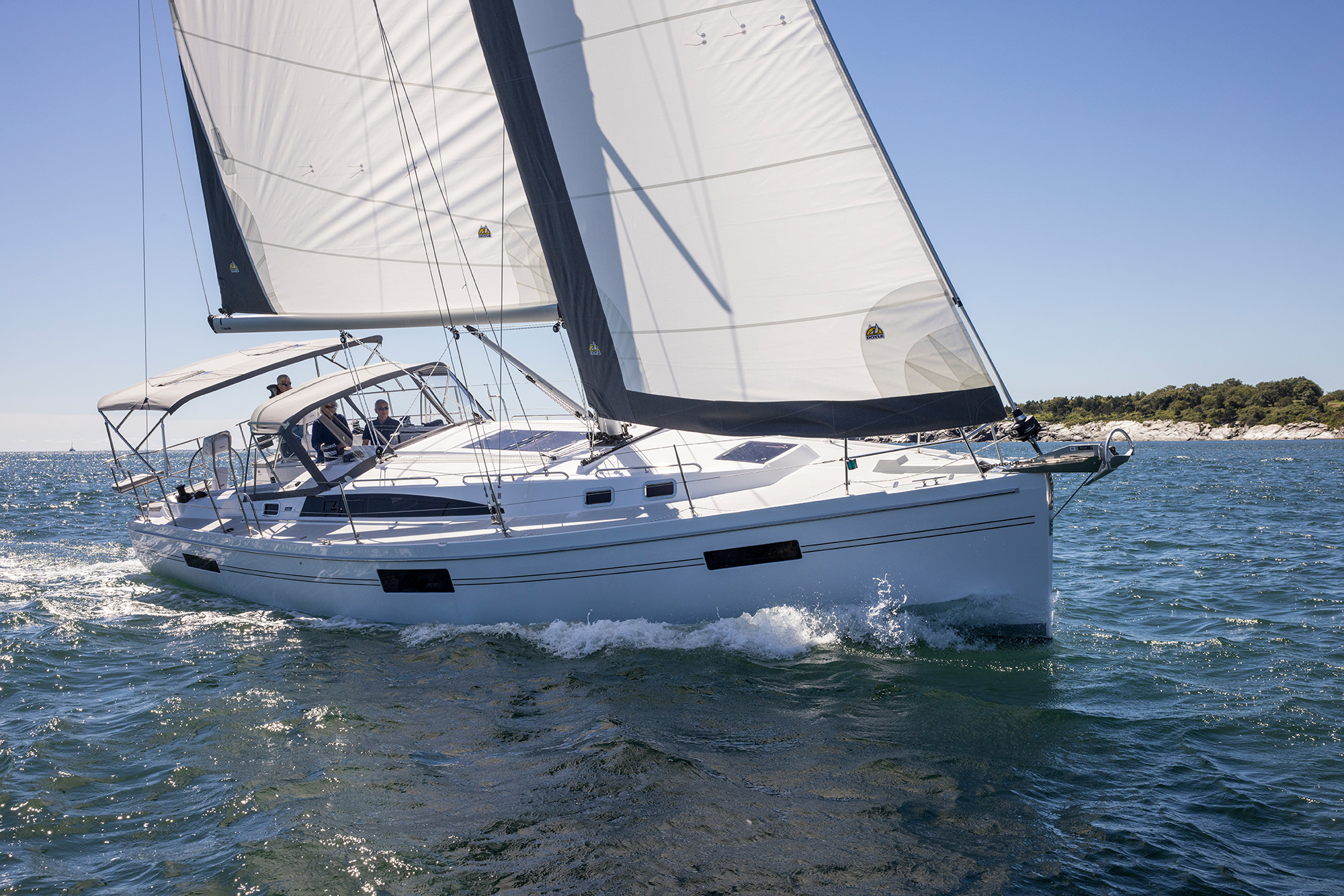
Catalina builds the largest selection of honest, sturdy boats that hold up to real world conditions, perform well and cost less to maintain. For Catalina owners, this means lots of extra value and enhanced sailing pleasure, with the added bonus of excellent resale value.

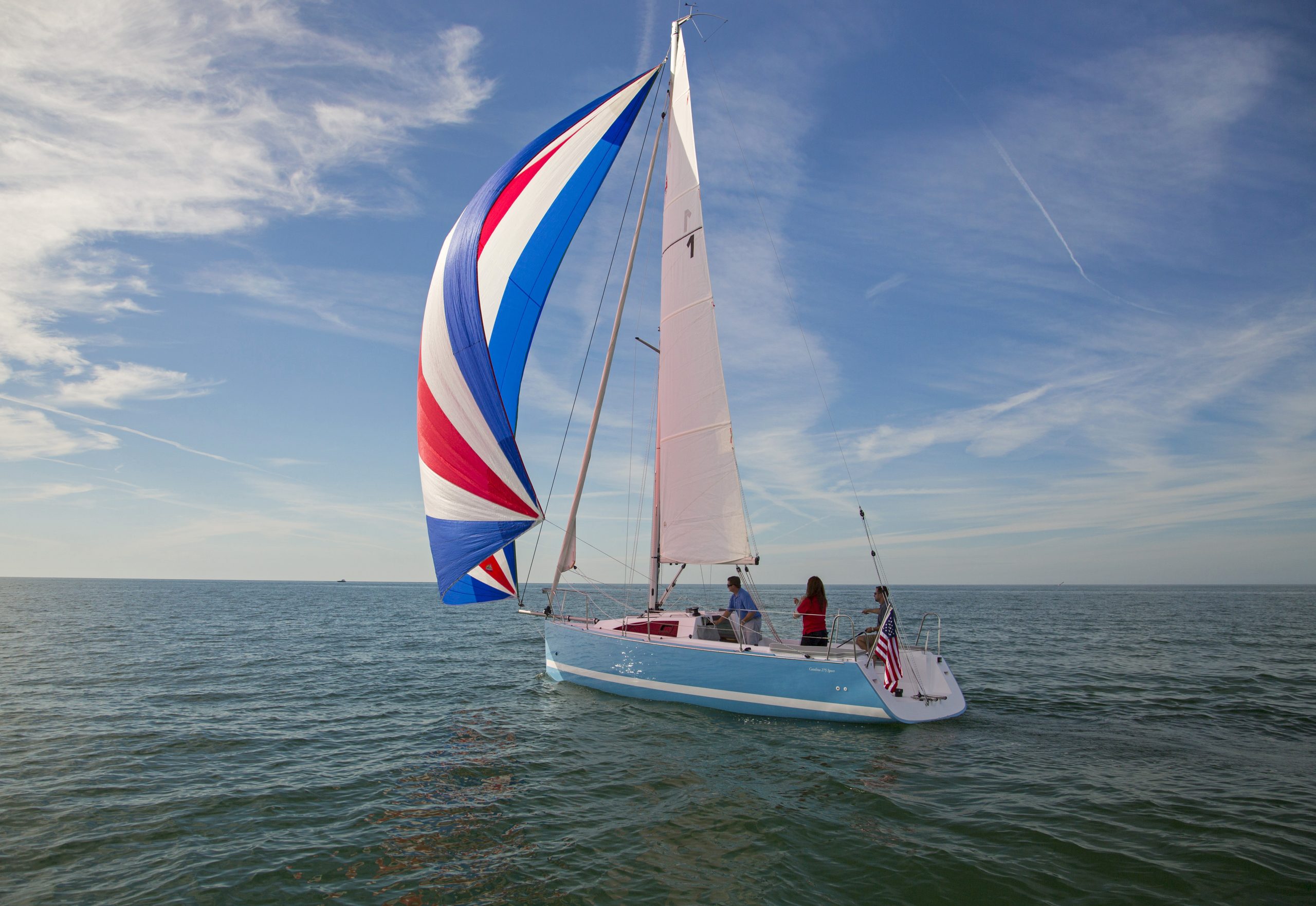
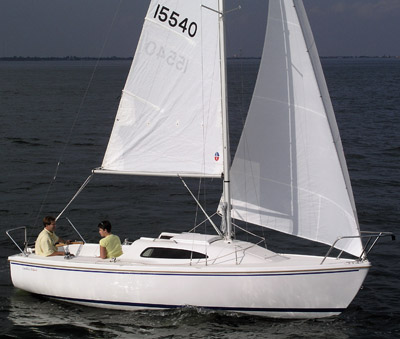
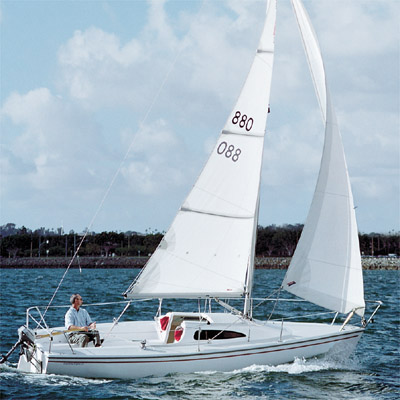
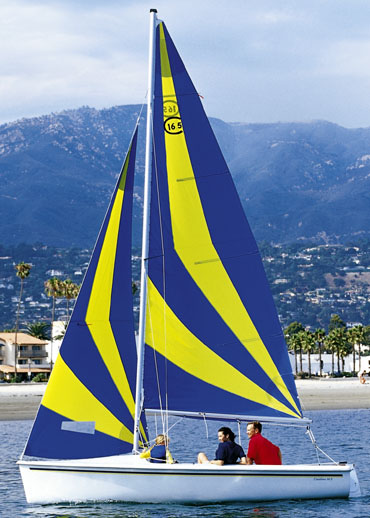
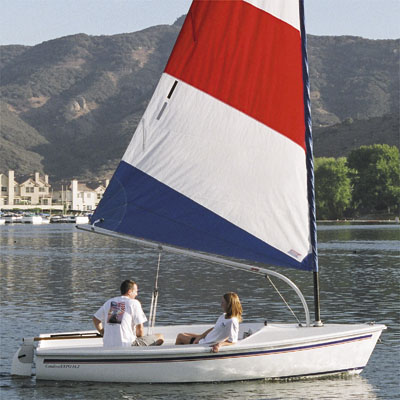
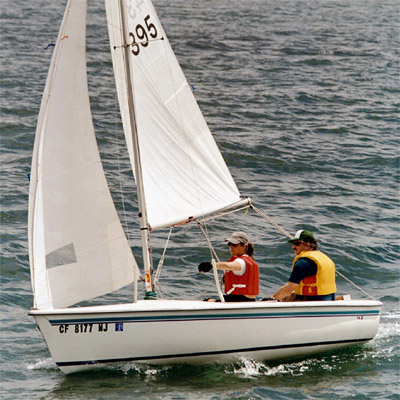
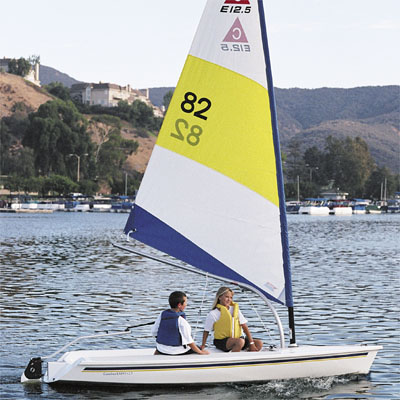
Catalina's broad range of intelligently designed family-oriented sailboats includes the Sport series, with sprightly 8–25 foot day sailors, the Cruiser series, capable, roomy mid-sized yachts from 30–37 feet, and the majestic Ocean series 38–47 footers for more serious offshore adventures.

No matter what size boat fits your lifestyle, at Catalina it is about creating the best possible ownership experience. So if you're looking for a long–term relationship with a high–quality American brand, it’s time to take a closer look at Catalina Yachts – standing firmly behind our hand–crafted sailboats for over 40 years.

Catalina's philosophy is straightforward: Design boats that stand up to real world conditions and sail well. They must be comfortable above and below, easy to maintain and hold their value.

Lead Keels: Lead is the best material for keels

It is denser (heavier for its volume) than cast iron. Lead weighs almost twice as much per cubic inch compared to cast iron. This means a stiffer, more stable boat and more efficient keel (less wetted surface means less drag), while requiring far less maintenance than other materials. Unlike cast iron keels, Catalina's lead keels will not rust or require elaborate maintenance.

Catalina keels are cast from high quality lead with antimony added to make the castings harder than lead alone, and therefore less subject to damage from grounding. The keel bolts are 316-alloy stainless steel and are cast in place for strength. Catalina lead keels are faired and epoxy coated.

Hull Structural Systems

Catalina employs two types of sub-sole structural systems, each specially suited to the hull design, keel and rigging loads. Both systems are designed for long-term durability and strength. Because wood is subject to rot and deterioration, it is not used in the structural system of any Catalina or Morgan yacht.

A. The Laminated In-Place Grid System:
aThis system uses four major fiberglass molded components: the deck, deck liner, hull liner and hull with an integral grid structure laminated as part of the hull. This system employs high-density urethane foam, fiberglass-infused transverse and longitudinal structural members that are heavily fiber-glassed to the hull with multiple laminates while the hull is still in the hull mold. The grid becomes an integral part of the hull and distributes the mast, rigging and keel loads to the hull. These structural members will not absorb water or deteriorate over time.

B. The One-Piece Pre-Molded Grid:
aThe grid is an engineered structure that is hand-laminated in a separate mold, using biaxial, unidirectional and non-woven fiberglass for strength and stiffness without excess weight. This one-piece structure is then bonded into the hull while the hull is in the mold. This type of grid structure is employed when the grid is more complex and bears the additional loads of tank supports and engine mounts.

The grid structure is never compromised by the need to accommodate interior furniture, as this is the function of the hull liner, a separate molded part. Separating the structure from the accommodation allows each part to be designed without compromise for its intended function. This is a benefit of Catalina's unique five-piece construction system.

Hull to Deck Joints

The hull to deck joint is one of the most critical connections in yacht construction. It must be above all, watertight throughout decades of service, able to take the punishment of docking impact and contribute to the strength of the boat by essentially making the hull and deck a single structure. Because Catalina builds daysailors and bluewater boats, three distinctly different style connections are employed, each suited to the type of boat and assembly method.

Deck Ergonomics

Catalina decks are designed with careful attention to ergonomic needs. Styling trends come and go but the geometry and needs of the human body are constants. Understanding and respecting these needs creates a cockpit and deck that are comfortable for long periods, offer proper support, and are easy and safe to move about.

Rigging, Sailing & Deck Hardware

Catalina masts are well-supported for the rigors of offshore sailing and include backstays. This creates a system with a total of eleven attachment points to the deck for the standing rigging (most models), the ultimate in security.

All sail controls and blocks are ball-bearing and require a minimum of effort.

Travelers are multi-purchase and fully controllable from one side for convenience.

Winches are oversized and require less effort when sheeting. Primary and secondary winches are standard on most models and are available as electric powered, if desired.

Genoa tracks are long and inboard for narrow sheeting angles, and accommodate large overlapping headsails for good upwind performance over a broad range of conditions.

Anchoring systems feature powerful dual direction windlasses for both rope and chain. Double anchor rollers are designed for both anchor storage and easy deployment. Lockers are large and divided for two rodes in most models.

Critical deck hardware is secured with large metal back-up plates and stainless steel fasteners.

Mechanical, Electrical & Plumbing Systems

Systems are engineered for long-term durability and performance reliability. Owners who enjoy performing some maintenance will appreciate the attention to service-point accessibility. Components and equipment are selected for initial quality, after-market support and parts availability. Compare these important features:

Mechanical
* Large engines with full instrumentation
* Generous fuel tankage with oversize filters
* Single-lever engine controls

Electrical
* Electrical panels are logically arranged and allow for future additional functions
* All wiring is tinned for corrosion resistance
* Large (8D or 4D) deep-cycle battery banks for ample D.C. power

Plumbing
* Multiple tanks with selection valves
* High-quality chrome fixtures in galley and heads
* Variable-speed water pumps (most models) for smooth quiet operation
* All through hulls meet ABYC standards, are double-clamped and labeled

Conduits for Smart Access: All models have extensive conduits bonded into place for wiring and plumbing runs throughout the vessel, making additions or replacements possible without damage or disassembly.

Catalina 309 Catalina 375 Catalina 445 The New Catalina 355 How It's Made